Khairlanji Archive Project
The Khairlanji Archive Project (KAP) is an academic and cultural resource documenting literature, art, and culture that commemorates the Khairlanji massacre of 2006. On 29 September 2006, Surekha Bhootmange — a resident of Khairlanji village in Maharashtra — was brutally murdered and assaulted by a mob of over seventy men. The mob also sexually assaulted Surekha’s children, Priyanka, Roshan, and Sudhir, with sticks, bicycle chains, and other weapons.
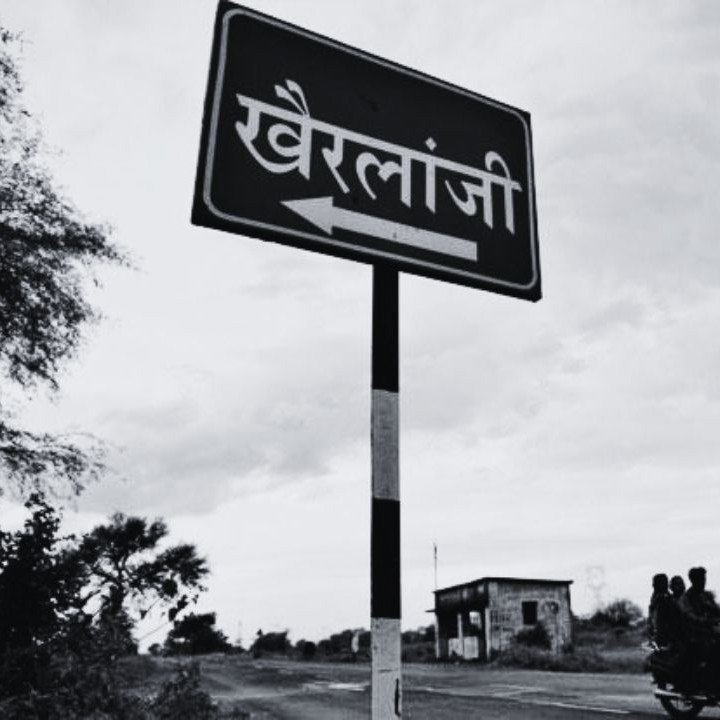
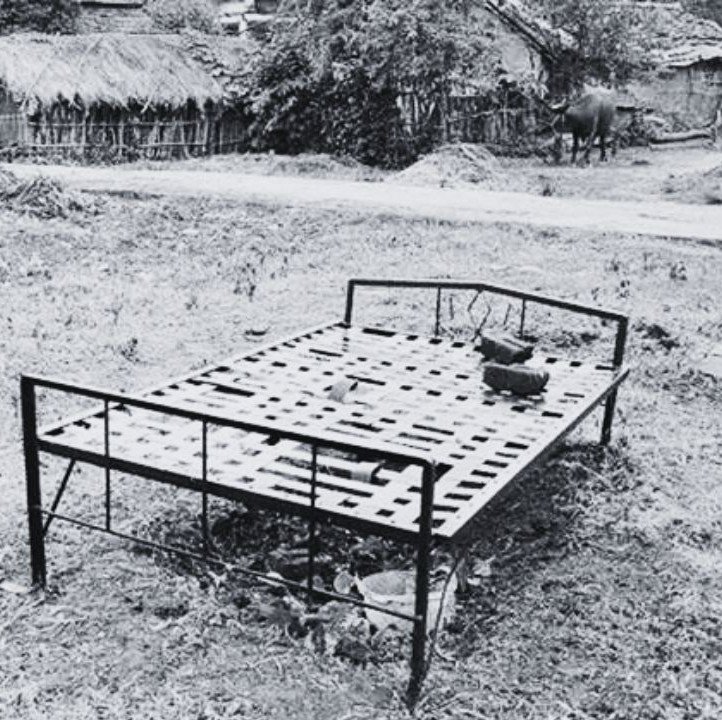
The Khairlanji massacre is remembered as a defining example of caste and gendered atrocities in recent decades. It brought the violent history of caste to the fore, otherwise embedded within populist narratives of neoliberal development and growth.
In memory of the twentieth anniversary of the Bhootmange family’s demise, KAP is a community-centered platform that brings together reportage, journalistic accounts, fact-finding reports, poetry, cinema, theater, and visual art about the massacre. Putting these materials in conversation with each other, we hope to not only memorialize the massacre but equally critique and question how we remember caste violence.
KAP is a living digital and cultural space. Over the next year, we will gather and collate archival materials and podcast recordings, and update specialized resource kits.
Khairlanji Archive Project Podcast
A limited-edition podcast series with an audio production of Pradnya Pawar’s Marathi play, Dhadhant Khairlanji (2006), produced by The Public Place, Mumbai. Other episodes of the podcast also feature interviews with eminent activists, lawyers, and the playwright on the creative and legal process of producing artistic work in the wake of Khairlanji.
Khairlanji Curve
The Khairlanji Curve is an interactive timeline compiling important judgements, court orders, and anti-caste organizing efforts that occurred in the aftermath of the massacre. We often think of atrocities as sporadic events that disrupt our ordinary lives; the Khairlanji Curve challenges us to think of the history of atrocities as a prolonged, convoluted process that bears on our ability to narrativize them.
Resource Kits
A thematically organized bibliography of scholarship on the legal history of caste violence, Dalit and Ambedkarite feminisms; intersections of caste, gender, and sexuality; caste under neoliberalism; advocacy around caste. We also have lists exclusively devoted to understanding the Prevention of Atrocity Act (1989) and the Khairlanji massacre.
Feel free to use our open-access syllabus, which includes introductory reading materials on Caste in the Twenty-First Century.
Reach out to us on Instagram if you have any questions or wish to contribute archival materials to this project.